Overview
Large countries can span several time zones, while smaller countries often use one. This guide is written for students, teachers, and general readers who want practical geography explanations.
Educational guide
Large countries can span several time zones, while smaller countries often use one.
Large countries can span several time zones, while smaller countries often use one. This guide is written for students, teachers, and general readers who want practical geography explanations.
Country data affects maps, quizzes, school reports, travel planning, international comparisons, and how people understand the world.
Population, borders, names, currencies, and travel details can change. Important claims should be checked before publication.
| Country | Capital | Continent | Population | Area | Currency |
|---|---|---|---|---|---|
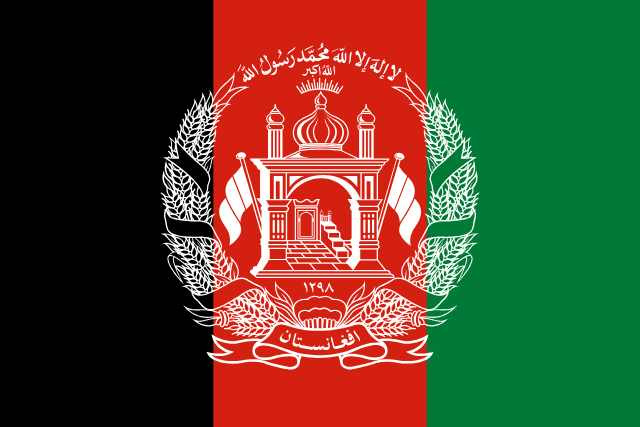 Afghanistan Afghanistan | Kabul | Asia | 43.8 million | 652,230 km² | Afghan afghani |
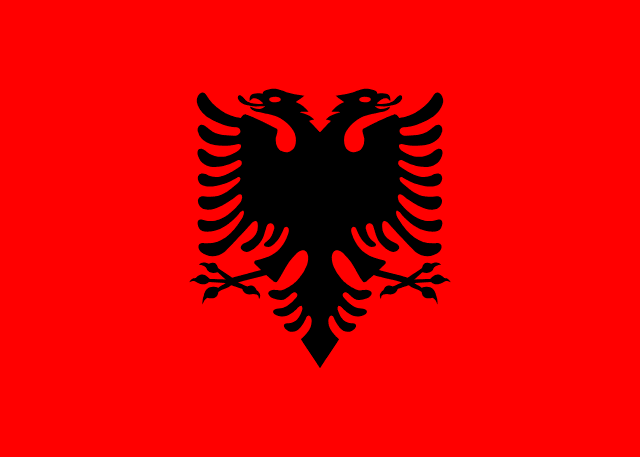 Albania Albania | Tirana | Europe | 2.4 million | 28,748 km² | Albanian lek |
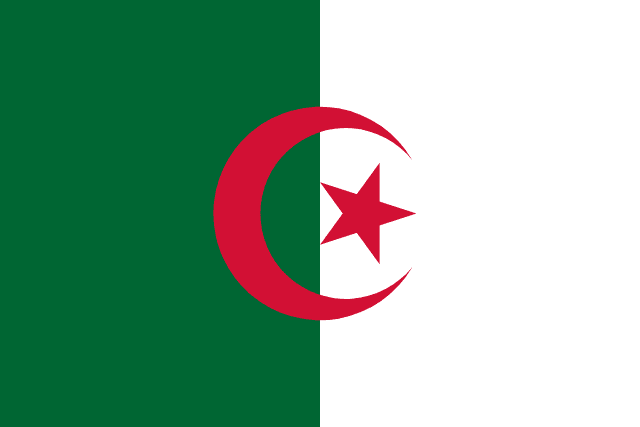 Algeria Algeria | Algiers | Africa | 47.4 million | 2,381,741 km² | Algerian dinar |
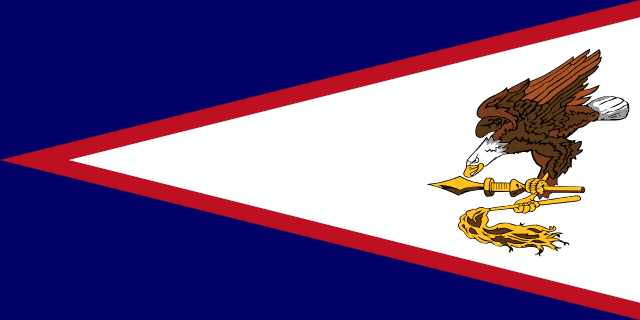 American Samoa American Samoa | Pago Pago | Oceania | 49.7 thousand | 199 km² | United States dollar |
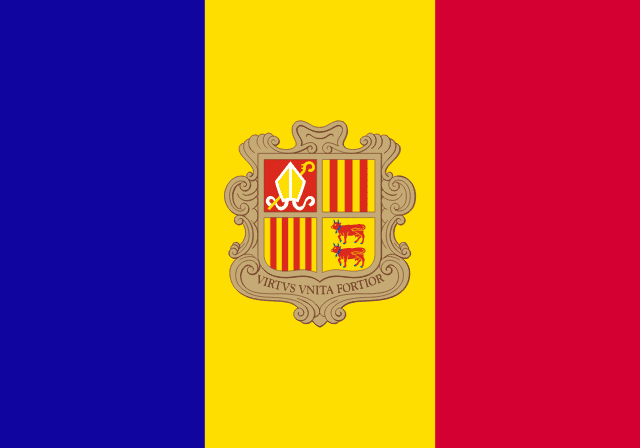 Andorra Andorra | Andorra la Vella | Europe | 88.4 thousand | 468 km² | euro |
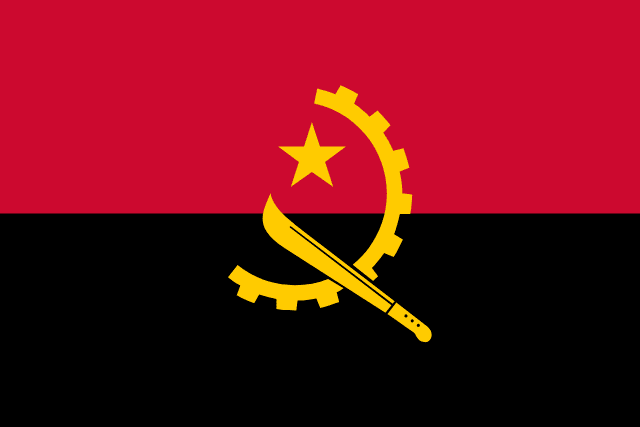 Angola Angola | Luanda | Africa | 36.2 million | 1,246,700 km² | Angolan kwanza |
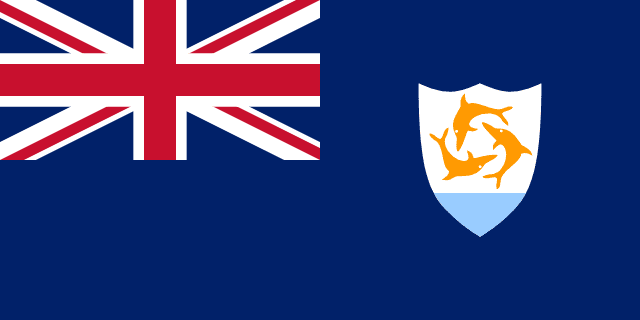 Anguilla Anguilla | The Valley | North America | 16 thousand | 91 km² | Eastern Caribbean dollar |
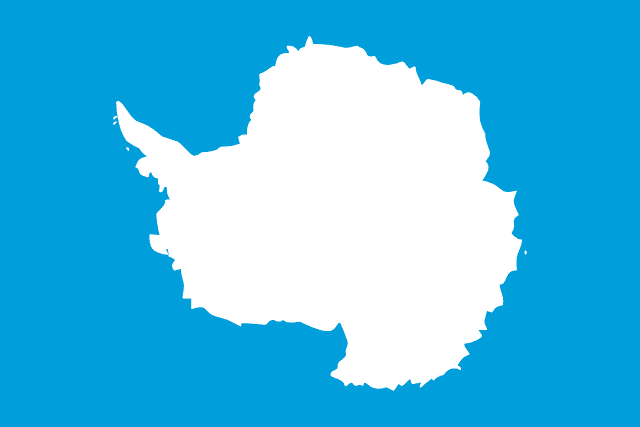 Antarctica Antarctica | No official capital listed | Antarctica | 1.3 thousand | 14,000,000 km² | Not listed |